
Manufacturing
Every batch on your line, accounted for.
Material that matches the record, work in progress that can be located and lots that can be traced back. The right technology is chosen for each station and connected through DERAS to the ERP or MES already in use.
The everyday gaps
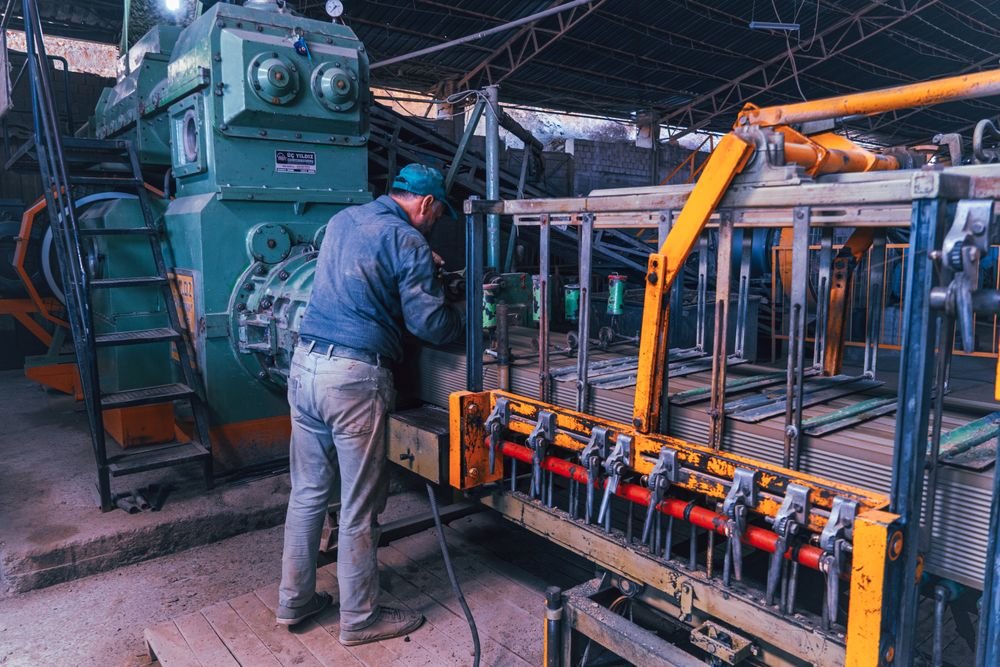
Most production delays start as a missing record.
A shortage no one saw coming, a batch no one can find, a lot no one can trace. Different symptoms, one root cause: no reliable record of what moved, where, when and through which step.
16%of manufacturing leaders report real-time work-in-progress monitoring across the entire production process. Zebra Manufacturing Vision Study, 2024
76%of automotive companies surveyed by JAIF reported problems with returnable containers. Automotive Logistics
 ERP: 480 pcs · Floor: 422
The ERP says it’s in stock. The floor says otherwise.
Material counts drift between stock checks, and the gap shows up when a work order is released.
Lines waiting for material that should be there
Shortages at the line are found when the bin is already empty, not when it starts to run low.
Work in progress that no one can locate
Batches move between stations without a record, so status is chased by walking the floor.
Traceability that takes days
After a complaint, finding which lot, station and component were involved means searching paper and spreadsheets.
Held parts that slip back into production
Items waiting for inspection or rework mix with good stock when the hold is only a sticker.
Returnable containers that never come back
Totes, racks and pallets leave for suppliers and customers, and no one counts them back in.
Tools and molds out of sight
Shared tools, jigs and molds are searched for at shift start, and their last location is anyone’s guess.
Data in too many places
ERP, MES, spreadsheets, CCTV and door access don’t talk to each other, so every discrepancy is investigated by hand.
The workflow
From incoming material to finished goods.
Pick a stage to see where the record is lost today, and what changes. One DERAS layer carries every event to the dashboard and the ERP or MES already in use.
Stage 01
Receiving & inspection
Materials are logged by hand, and lots mix before inspection is done.
Each lot is labelled and recorded at receiving, linked to its supplier and PO, and held until inspection passes.
Technology options
- Barcode/QR labels
- RFID printer
- Handheld reader
Stage 02
Line-side supply
The line finds out material is short when the bin is already empty.
Every transfer to the line is recorded, so stock at each line is visible before it runs out.
Technology options
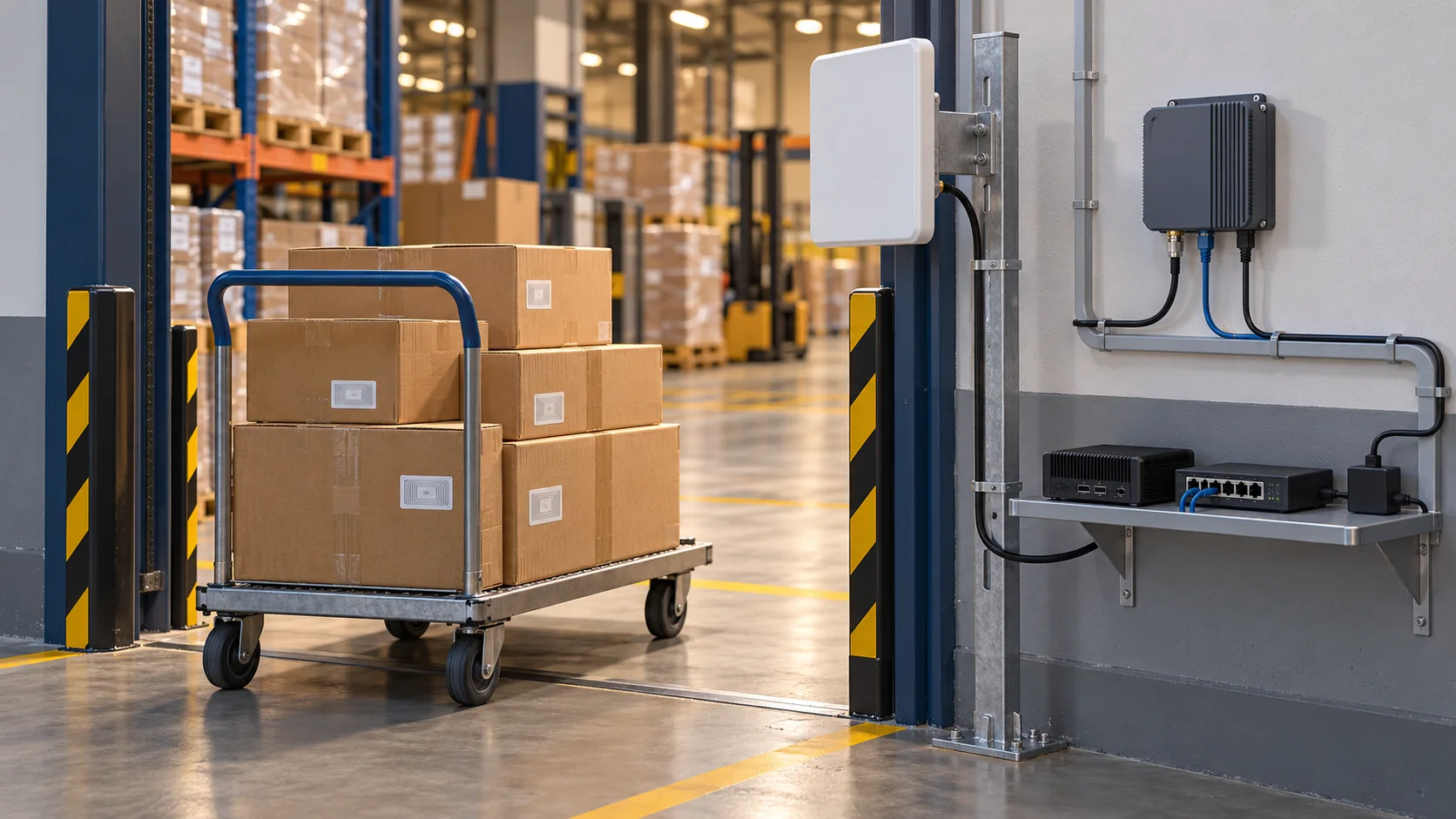
- UHF RFID gate
- Barcode kanban
- BLE for carts
Stage 03
Work in progress
Batch status is updated at the end of the shift, if at all.
Reads at each station update the batch status as it moves.
Technology options
- Fixed RFID at stations
- On-metal tags
- NFC tap points
Stage 04
Quality & rework
Held items drift back into good stock.
Holds and releases are recorded per lot, with visual evidence where needed.
Technology options
- Handheld reader
- AI camera
- Barcode
Stage 05
Finished goods & dispatch
Packing lists are checked by eye.
Cartons are verified against the order at packing and at the dock.
Technology options
- UHF RFID tunnel/gate
- Barcode
- Camera
Stage 06
Returnable containers
Totes and racks leave for partners and are not counted back in.
Each container’s trip out and back is recorded per partner.
Technology options
- UHF RFID gate
- BLE tags
- GPS tracker
DERAS · filter reads, add context, connect systems
+ access control, tool and camera events from across the plantExample flow. Capture points, technology and integration are confirmed per project after assessment.
Capabilities
Start from the outcome, not the device.
Each capability is matched to the technology that fits it. More than one technology is combined when the problem calls for it.
Material accuracy
Keep the ERP and the material on the floor in step, with discrepancies flagged as they happen.
- Barcode
- RFID
- DERAS
Line-side visibility
See what has been issued to each line, before a shortage stops it.
- RFID gate
- Barcode kanban
- BLE
WIP tracking
Know which station each batch passed, and where it is now.
- Fixed RFID
- On-metal tags
- NFC
Lot traceability
Trace a finished product back to its lot, station and components in minutes.
- DERAS event log
- Barcode
- RFID
Quality hold control
Keep held and rework items apart from good stock until they are released.
- Handheld reader
- AI camera
Returnable asset tracking
Count totes, racks and pallets out to partners and back in.
- RFID gate
- BLE
- GPS
Tool & mold tracking
Find shared tools, jigs and molds, and see who took them last.
- RFID
- NFC
- BLE
Security & access
Control who enters restricted areas and what leaves through the gates.
- Access control
- RFID gate
- AI camera
One operational view
Every event on one dashboard, connected to the ERP or MES already in use.
- DERAS
The software that connects it
Devices capture.
DERAS makes sense of it.
A tote passing a line gate can be read many times by several devices. The ERP needs one clean line: tote issued to Line 2, 09:42. DERAS sits in between, so technologies and brands can be mixed without rebuilding existing systems.
- Filter and deduplicate. Repeated and stray reads are removed, so each movement is recorded once.
- Add context. A read becomes a production event: which lot, which station, when, and which step.
- Connect what is already running. One operational dashboard, with events passed to the ERP or MES. No rip-and-replace.
Manufacturing item events
TOTE-024RFID line gateIssued to Line 2WIP-0815Station 3 readerPassed weldingLOT-2210Handheld checkOn hold · QCBIN-117Dock gateBack from supplierExample interface and data. Workflow and integration are scoped to your project.
Realistic outcomes
What changes, and what needs process.
Technology makes good process faster and easier to sustain. It does not replace it, so expectations are agreed before anything is installed on the line.
No number is promised before the plant has been seen. The metrics are agreed, measured, and used to decide whether to scale.
What improves
- Material counts that match the ERP more often
- Shortages seen before the line stops
- Batch status that updates as work moves
- Lot history ready when a customer asks
What still needs process
- Clear rules for when a lot is issued, held and released
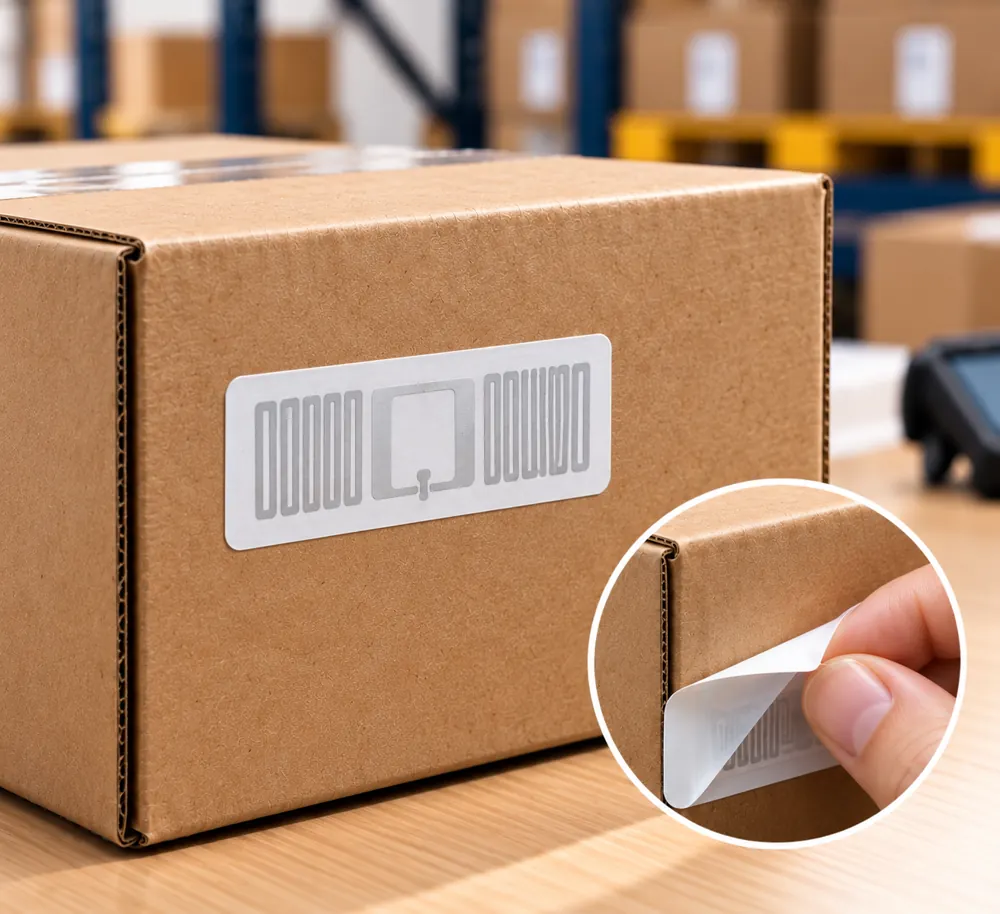
- Tags suited to metal parts, heat, oil or washing; tested on the real items
- Training and ownership at each station
How it is measured
A baseline is recorded first, then compared during the pilot:
- Material accuracy by location and part number
- Line stops caused by missing material
- Time to trace a lot after a complaint
- Returnable containers lost per month
- Time spent searching for tools and WIP
One partner, end to end
From the first plant walk to day-to-day support.
One team owns the whole project, so devices, software and existing systems work as one.
- 1
Assess
Walk the plant, map the flow from receiving to dispatch, find where the record is lost, and check current systems and RF conditions near metal and machines.
- 2
Design
Choose the technology mix per station: barcode where it is enough, RFID, BLE, cameras or access control where they pay off.
- 3
Supply & deploy
Devices, on-metal and industrial tags, mounting and installation, tested on the real parts and containers.
- 4
Integrate
Connect capture points through DERAS to the dashboard and the existing ERP or MES.
- 5
Pilot & scale
Start with one line or one workflow, measure against the baseline, then expand.
- 6
Support
Training for operators and supervisors, tuning after go-live, and ongoing support.
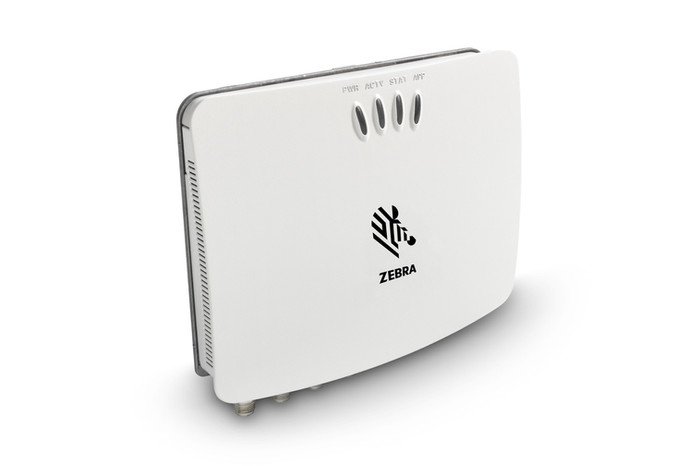
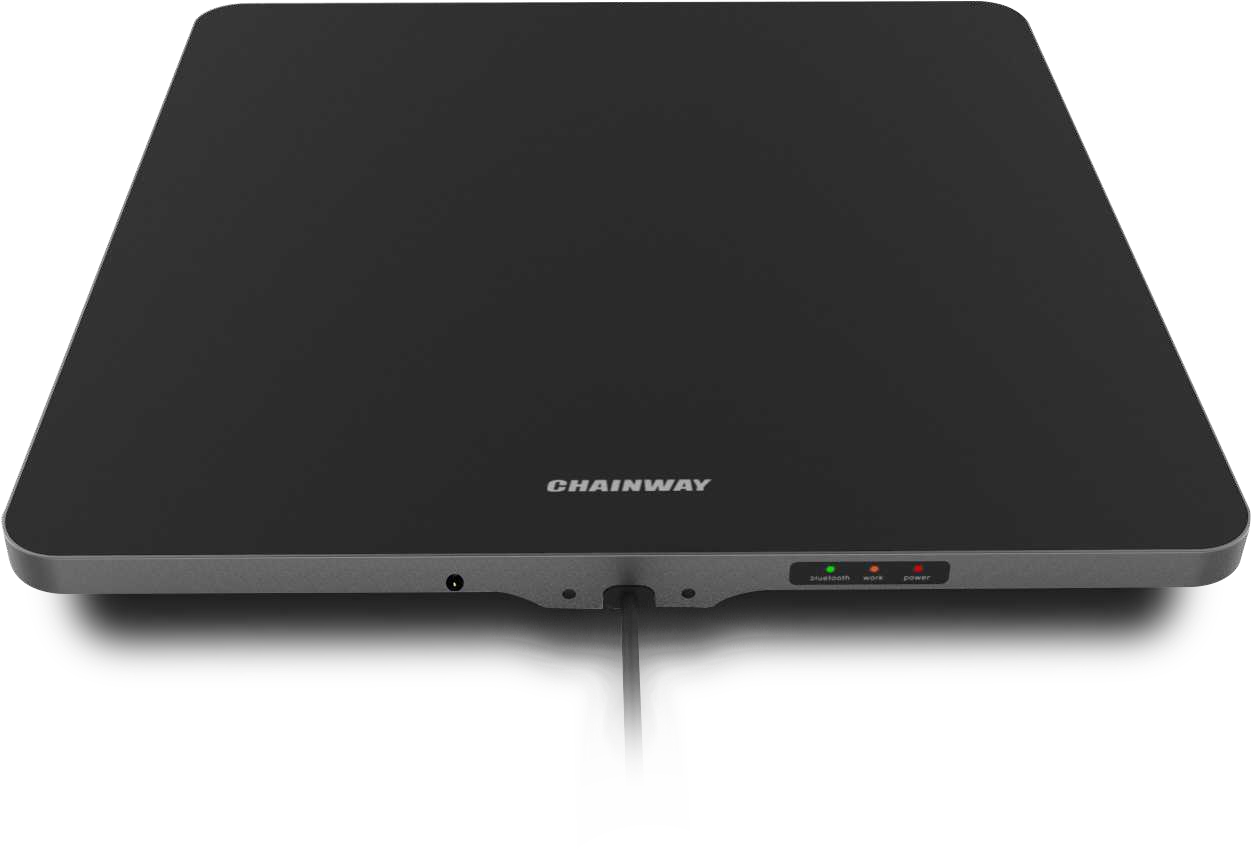
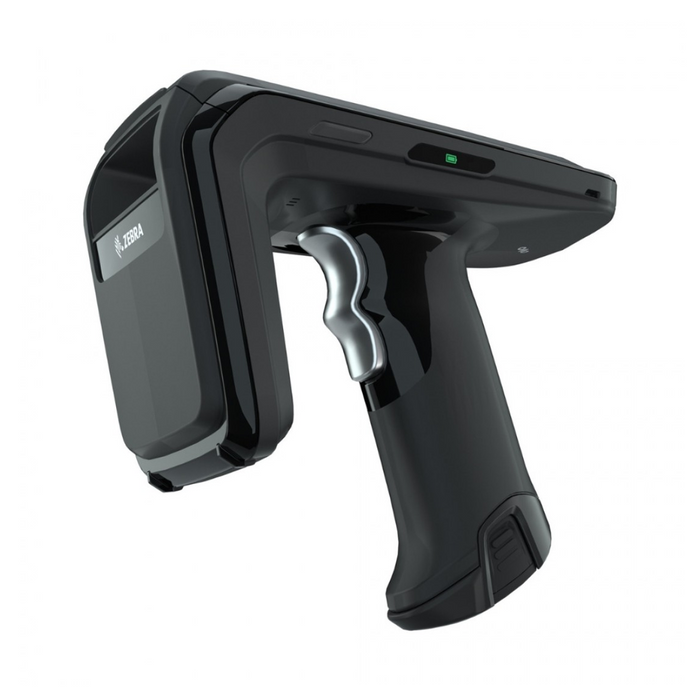
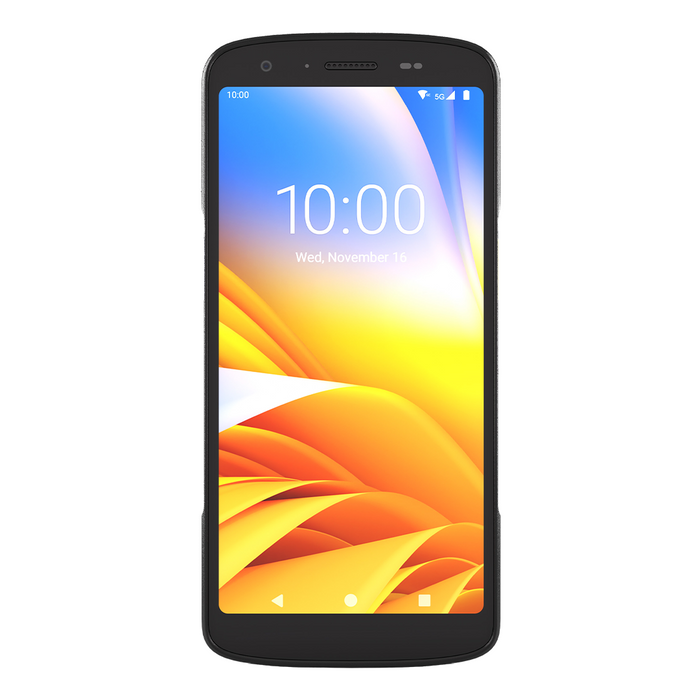
Hardware in context
The devices behind each station.
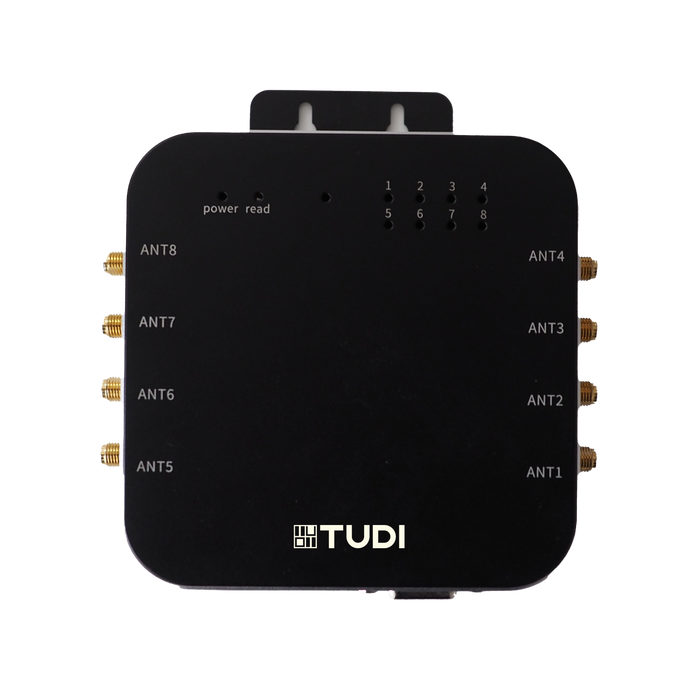
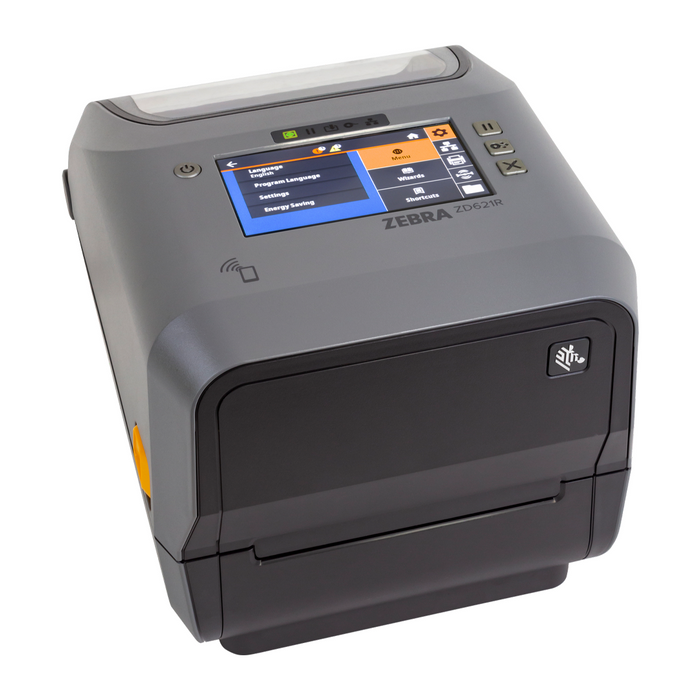
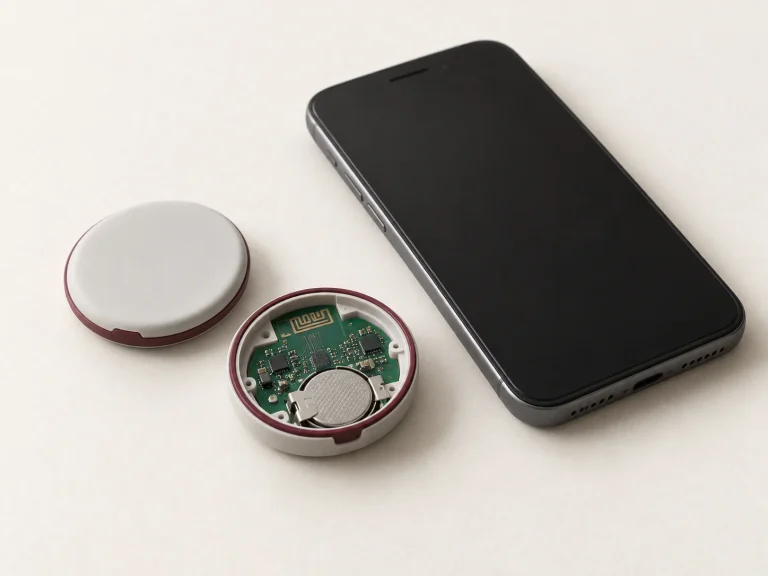
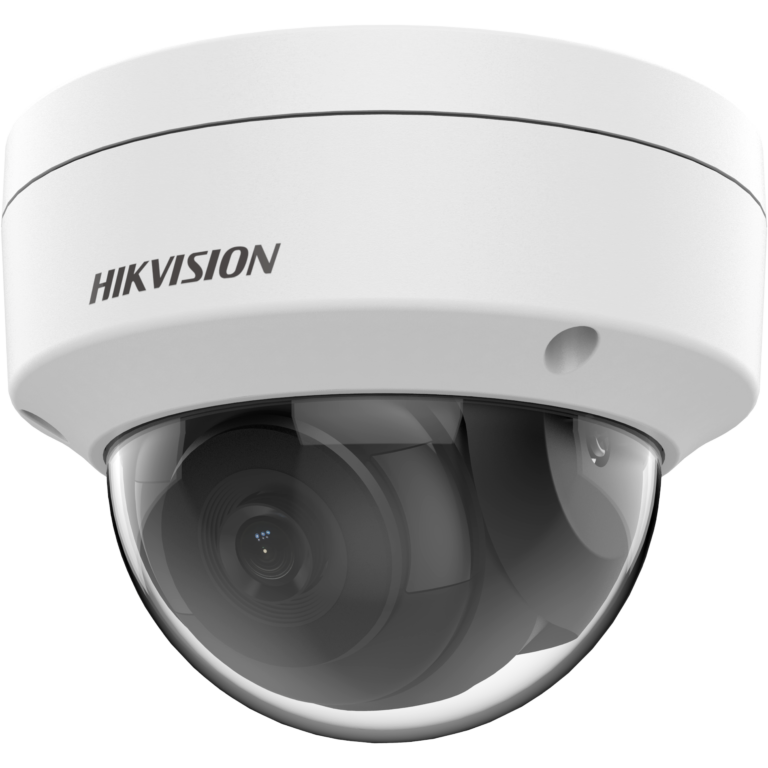
Example devices by capability. Final models, tags, accessories and quantities are confirmed during assessment.
Explore specifications & applications
Explore specifications & applications
Explore specifications & applications
Explore specifications & applications
Explore specifications & applications
Explore specifications & applications
Explore specifications & applications
Explore specifications & applications
Questions
Before the first plant walk.
Do RFID tags work on metal parts?
Standard tags struggle on metal, so on-metal tags are used and tested on the actual parts, racks and machines during assessment. Where a tag cannot be fitted, barcode or NFC is used instead.
Do we need RFID everywhere?
No. Barcode is often enough at slower, deliberate steps. RFID pays off where many items pass a point at once or must be read without line of sight. Most plants combine both.
Can this connect to our ERP or MES?
That is the starting point. DERAS passes clean events to the systems already in use. Integration scope is confirmed per project.
What about heat, oil or washing?
Industrial tags rated for those conditions are selected after testing on the real items and process.
Can we start with one line?
Yes. Most projects begin with one line or one workflow, such as line-side supply or returnable containers, measured against the current baseline.
Do we have to buy everything from one brand?
No. Several hardware brands are supported, and DERAS keeps the data in one place whichever devices are used.

Start with one workflow
Find where
the line loses track.
Share the parts, the production flow and the systems already in use. The first conversation sets a starting point and the metrics to measure.